Indian Navy · Submarine Service
My years in the Submarine Service
Eleven years in the Navy taught me that readiness is earned every day, responsibility cannot be delegated, and ‘fail fast’ is not a serious option when lives depend on the system.
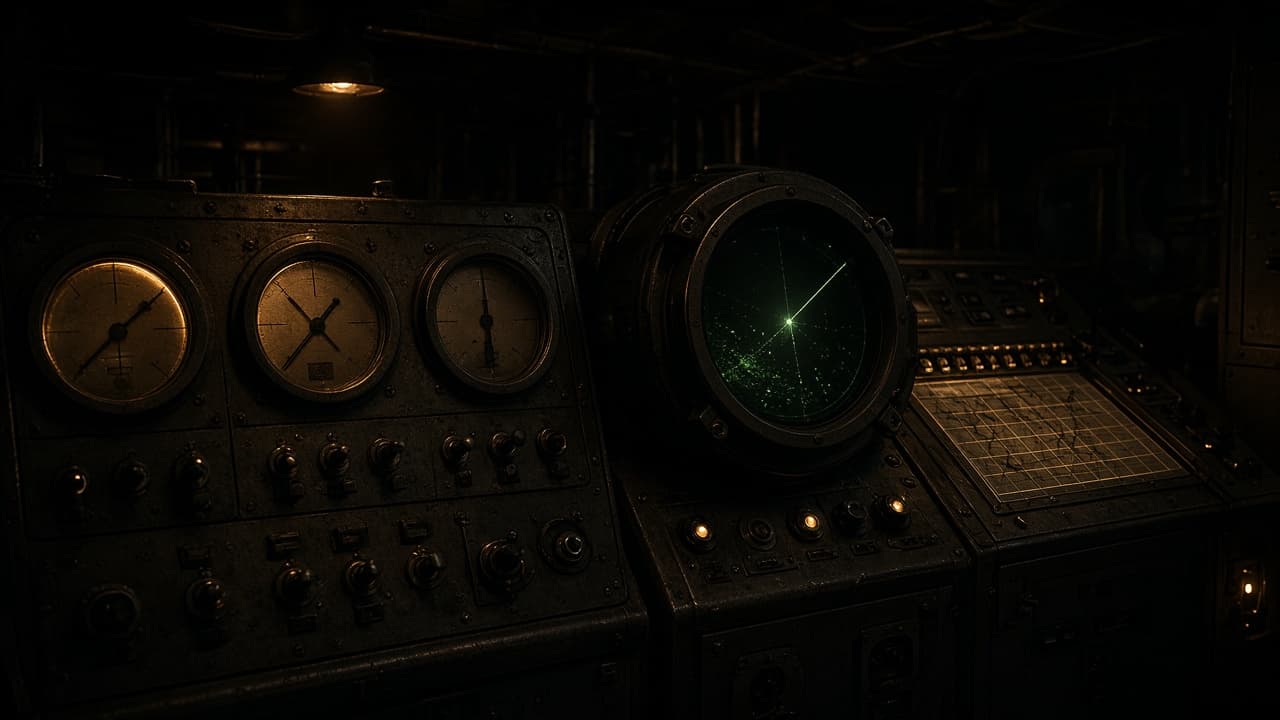
Illustrative schematic
How I think about a boat: watch, redundancy, then a person.
This is a teaching diagram of responsibilities, not a drawing of any class of submarine. Select a station to see what I carried from that work into AI and product decisions.
The problem
A submarine is ready only when its people, equipment, procedures, and information are ready together. There is very little room for guesswork when a decision has to be made.
My part in the work
I served in progressively responsible roles across technical operations, nuclear safety, international programmes, and training on conventional and nuclear submarines, including three years as Senior Operations and Radiation Safety Officer.
What was involved
What I did
- I qualified as a Licensed Radiation Safety Officer through India’s Atomic Energy Regulatory Board.
- I led multidisciplinary teams responsible for safety-critical equipment and procedures.
- My team turned more than 120 monitored parameters into a tool that supported faster emergency decisions.
- I led a VR training programme from requirements through rollout to more than 5,000 submariners.
- I led assurance work across more than 20 facilities and helped coordinate an international asset transfer.
- I modernised submarine communications with SATCOM and built logistics and safety analytics the crews could actually use.
What changed
- 5,000+ users supported by a $10M VR training platform.
- 50% faster emergency response through analytics.
- $2M saved in international sensor-calibration contracts.
Why I include this work
What I learned about checking evidence, knowing limits, escalating early, and keeping a person accountable now shapes how I work with AI.